


Why Base Material Matters: Virgin Wood Pulp vs. Bamboo Pulp in Takeaway Bowls
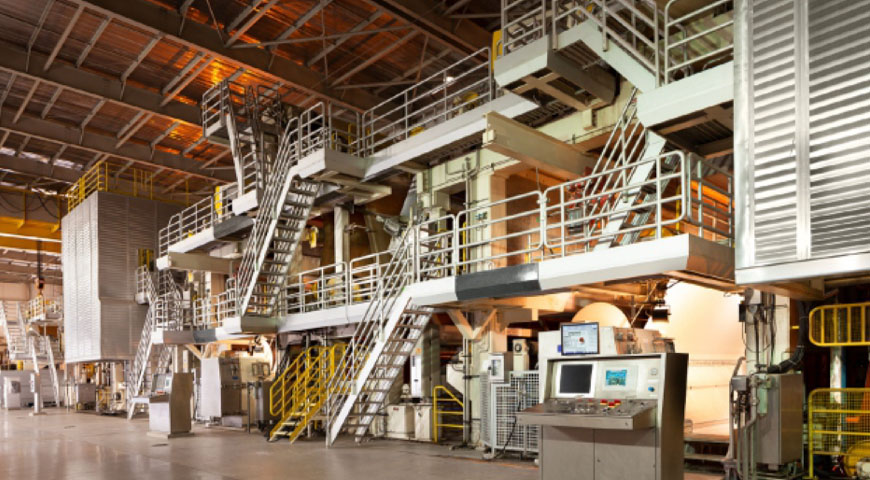
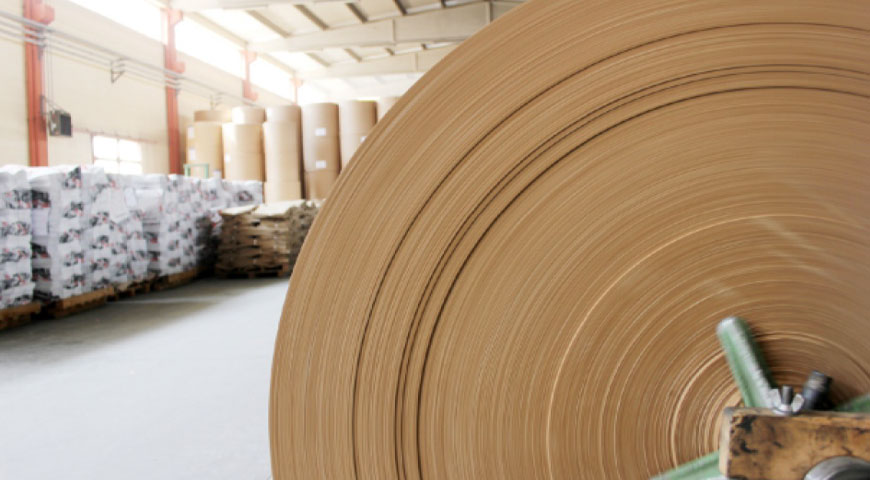
The structural performance of a takeaway paper bowl begins long before any coating is applied—it starts with the fiber source. Two materials dominate the market, and each carries meaningful trade-offs for buyers focused on performance, cost, and sustainability positioning.
Virgin wood pulp is the established industry benchmark. Long cellulose fibers derived from softwood trees (spruce, pine, fir) produce a dense, uniform sheet with high tensile strength and consistent grammage. For bowls that need to hold noodle soups or heavy rice dishes for 30–60 minutes without softening, wood pulp's structural predictability is a genuine advantage. Virgin fiber also accepts coating adhesion uniformly, which matters for oil and leak resistance.
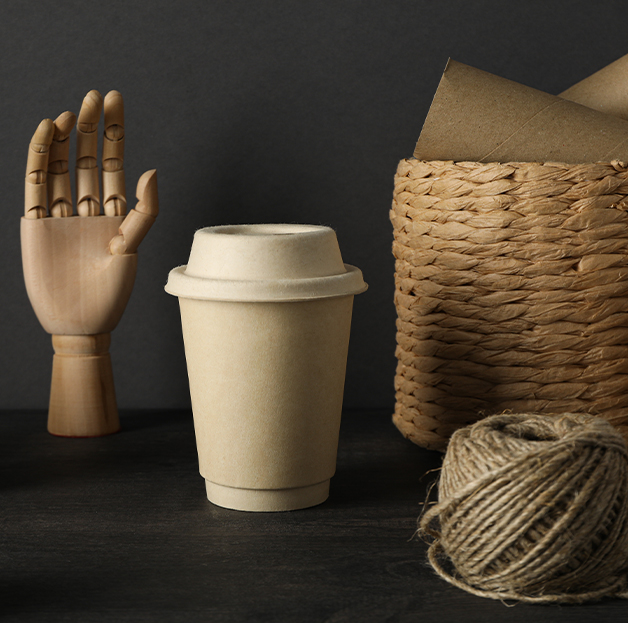
Bamboo pulp has grown significantly as an alternative, particularly for brands targeting sustainability-conscious markets. Bamboo is a rapidly renewable grass that reaches harvestable maturity in 3–5 years, compared to 25–70 years for plantation softwood. Bamboo fiber is naturally antibacterial and produces a paper with a slightly warmer, off-white tone that many specialty food brands find visually appealing. The trade-off is fiber length: bamboo fibers are shorter than wood fibers, which can result in slightly lower tear resistance if grammage is not compensated.
| Property | Virgin Wood Pulp | Bamboo Pulp |
|---|---|---|
| Fiber length | Long (high tear resistance) | Shorter (requires higher gsm for equivalent strength) |
| Renewal cycle | 25–70 years | 3–5 years |
| Surface appearance | Bright white, consistent | Warm off-white, natural texture |
| Antibacterial property | None inherent | Natural antibacterial properties |
| Cost | Lower to moderate | Moderate to higher |
For high-volume operations prioritizing cost efficiency and structural reliability, wood pulp remains the practical default. For premium food brands that market their sustainability credentials, bamboo pulp offers a compelling story—provided the specification is verified and grammage is appropriately adjusted. Our production facilities support both substrate types, with ISO 14001-certified processes that ensure responsible sourcing regardless of fiber choice.
Oil and Leak Resistance: What the Coating System Actually Needs to Withstand
A takeaway paper bowl's coating is not a single-variable decision. Different food applications impose fundamentally different stress profiles on the coating layer—and specifying the wrong system leads to failures that damage brand reputation and customer experience.
Consider the contrast between three common use cases:
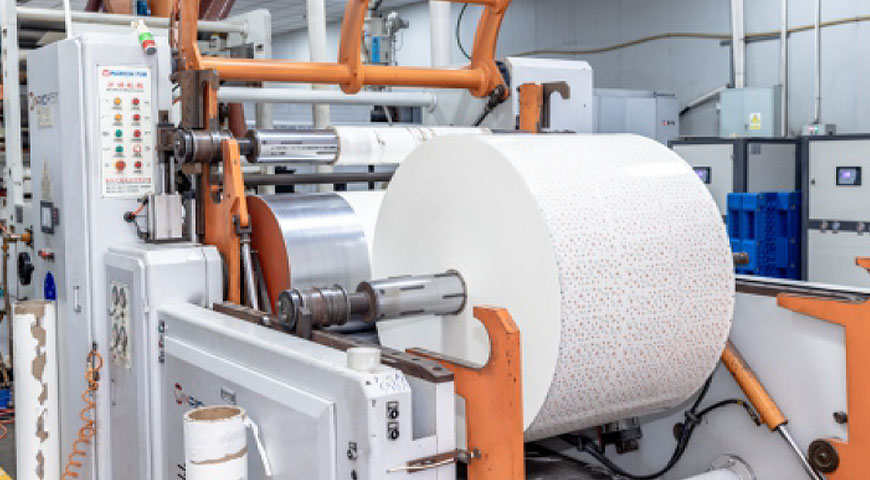
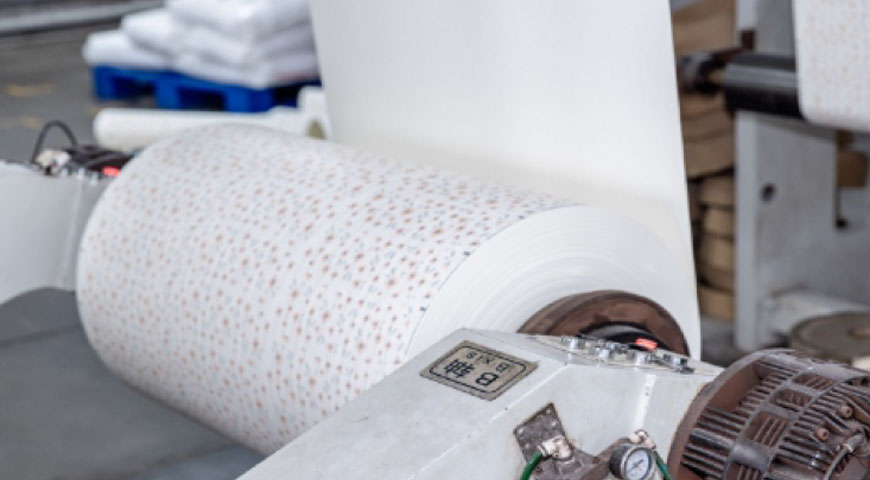
- Noodle soups and broths: High liquid volume, elevated temperature (often 80–90°C), and extended hold time. The coating must resist aqueous penetration for 20–40 minutes without allowing the base paper to soften. PE coating at 18–22 gsm is the standard for this category.
- Fried foods and oily dishes: Lower moisture but high grease content. Oil penetration is slower than water but more damaging to paper fiber integrity. Oil-resistant coatings or fluorine-free barrier treatments specifically engineered for grease resistance are preferred here—standard PE performs adequately, but dedicated oil-barrier coatings provide greater safety margins.
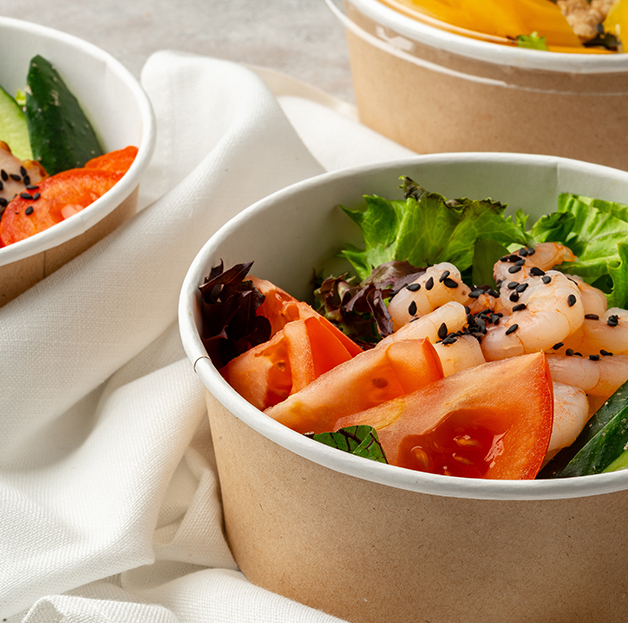
- Salads and cold dishes: Lower thermal stress, but extended cold holding can cause condensation on the bowl interior. A lighter coating weight is acceptable, making this the most forgiving category for PLA substitution.
A critical specification to request from suppliers is the Kit Test rating (TAPPI T 559)—an industry-standard test for oil and grease resistance in paper packaging. Ratings run from Kit 1 (minimal resistance) to Kit 12 (maximum resistance). For fried food applications, a minimum Kit 5–6 rating is advisable; for heavily oiled dishes, Kit 8 or above.
One important note on fluorinated coatings (PFAS): several jurisdictions including the EU, California, and New York have enacted or are phasing in bans on per- and polyfluoroalkyl substances in food packaging. Buyers sourcing for these markets should confirm that their bowl supplier uses PFAS-free barrier systems—a question that is increasingly relevant even for standard takeaway bowl specifications.
Lid Selection for Takeaway Bowls: Matching Seal Type to Food Category
Lid choice for takeaway paper bowls has a direct impact on spill rates, food temperature retention, and customer perception of quality. Unlike cups, where lid selection is relatively standardized, bowl lids vary significantly by material and sealing mechanism—each with distinct trade-offs.
PP Lids (Polypropylene)
PP lids are the most widely used lid type for hot food bowls. Polypropylene retains structural integrity up to approximately 120°C, making it safe for soups, rice dishes, and stir-fries. PP lids typically snap into a recessed rim channel on the bowl, providing a secure fit that resists accidental opening during delivery. The material is semi-opaque to translucent, which limits product visibility—a consideration for salads or visually appealing dishes.
PET Transparent Lids
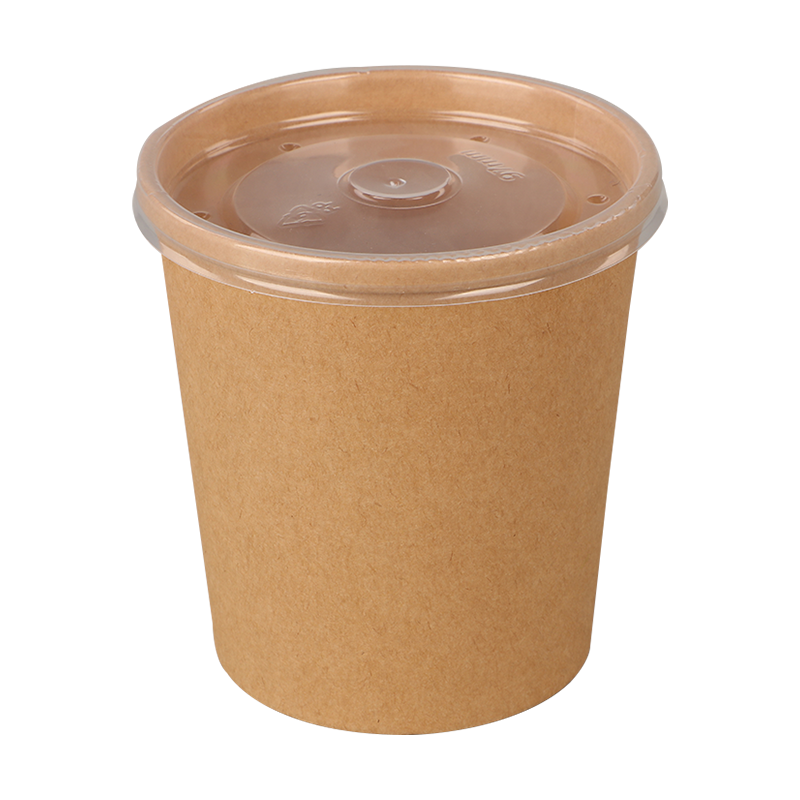
PET lids offer full product visibility and are preferred for cold applications—salads, desserts, fruit bowls, and chilled noodles. PET has a heat tolerance of only around 70°C, which means it is unsuitable for hot soups or freshly cooked food. Attempting to use PET lids on hot food bowls risks deformation and potential contamination. Buyers should clearly segregate PET lid inventory from hot food bowl inventory at the operational level.
Paper Lids
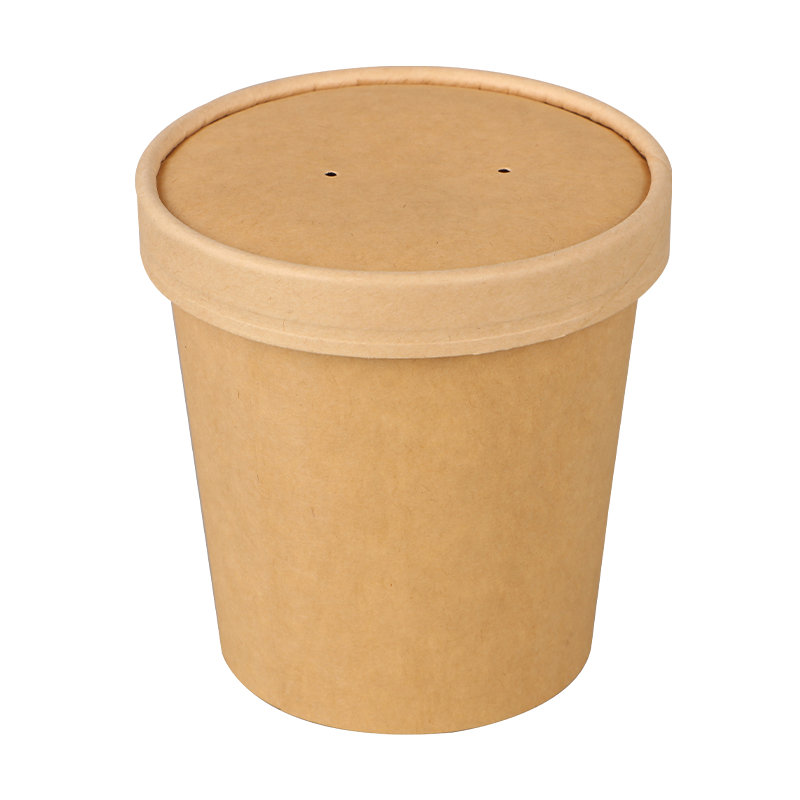
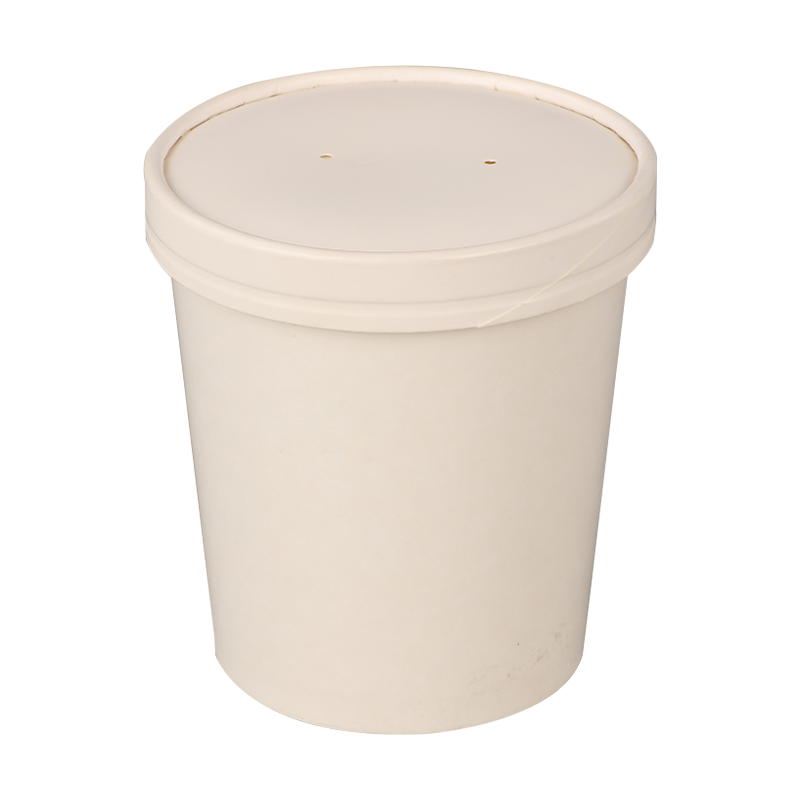
Paper lids—coated with PE or PLA—allow fully fiber-based packaging systems and are required when targeting compostable-certified packaging claims. They provide moderate sealing for dry or semi-dry foods (rice bowls, snacks, baked goods) but are generally not suitable for liquid-heavy dishes where a pressurized seal is required during transport.
| Lid Type | Heat Tolerance | Visibility | Best For | Compostable Option |
|---|---|---|---|---|
| PP Lid | Up to 120°C | Semi-opaque | Hot soups, rice dishes, stir-fries | No |
| PET Lid | Up to 70°C | Clear | Salads, cold desserts, fruit bowls | No (RPET versions available) |
| Paper Lid | Moderate (coating-dependent) | Opaque | Rice bowls, snacks, dry foods | Yes (PLA-coated) |
One frequently overlooked detail: rim diameter consistency across bowl sizes from the same supplier is not guaranteed. A 16oz and 26oz bowl in the same product line may share a rim diameter—or may not. Always confirm rim specifications per SKU before committing to a single lid stock unit for multiple bowl sizes.